
The Power of Resilience and Creativity

Life often unfolds in ways we don’t expect. Sometimes, it brings us moments of joy and growth, but other times, it challenges us with pain, trauma, and systemic barriers. In those moments, it can feel like the weight of the world is pressing down on us, making it hard to breathe, let alone move forward. Yet, within each of us lies a remarkable capacity to heal, adapt, and create meaning from even the darkest experiences. This is the essence of creative resilience strategies - a powerful blend of strength and imagination that helps us reclaim our voices and rebuild our lives.
When I first began exploring my own journey through writing and art, I discovered something profound: creativity is not just a hobby or an escape. It is a lifeline. It is a way to process pain, to speak truths that words alone cannot capture, and to connect with others who understand our struggles. Creative resilience strategies invite us to lean into that process with compassion and courage, honoring both our wounds and our wisdom.
Embracing Creative Resilience Strategies in Healing
Creative resilience strategies are practical tools and approaches that use creative expression to foster healing and growth. They are especially vital for those who have faced trauma, systemic inequities, or emotional pain. These strategies do not promise a quick fix or a perfect outcome. Instead, they offer a gentle, ongoing invitation to explore, express, and transform.
Some examples of creative resilience strategies include:
Journaling with intention: Writing not just to record events but to explore feelings, ask questions, and imagine new possibilities.
Visual art as emotional release: Using painting, drawing, or collage to give shape to emotions that feel too complex for words.
Storytelling and narrative reconstruction: Reframing personal stories to highlight strength, survival, and hope.
Movement and dance: Engaging the body to release tension and reconnect with joy.
Collaborative creative projects: Building community and shared meaning through collective art or writing.
Each of these practices creates a safe space where vulnerability is met with kindness, and where the act of creation becomes a form of resistance against despair and silence.

What is the Relationship Between Creativity and Resistance?
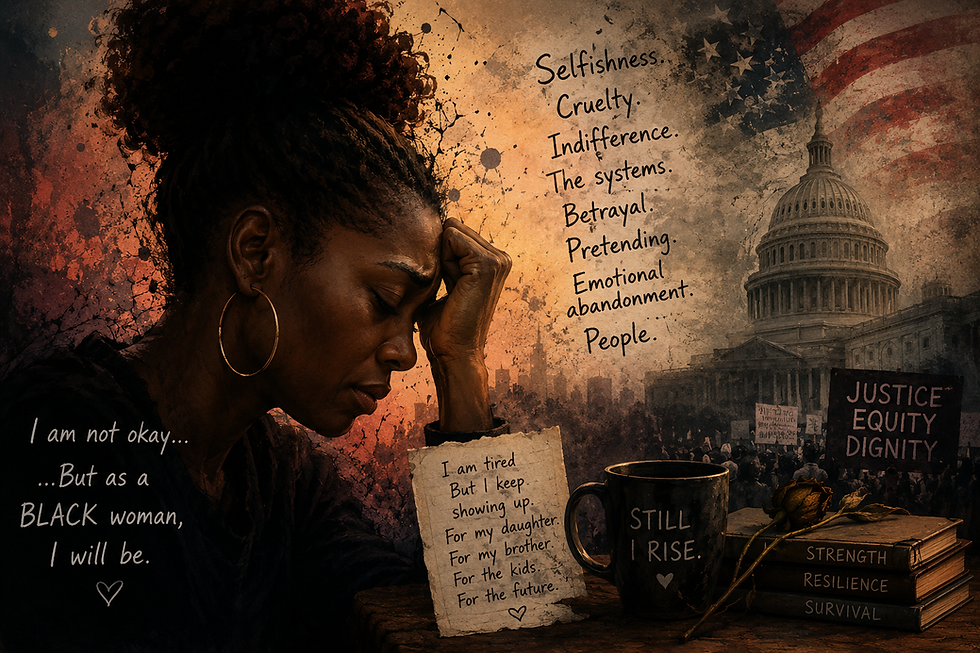
Creativity and resistance are deeply intertwined. When we create, we assert our existence and our truth in a world that may try to erase or diminish us. This is especially true for those who have experienced systemic oppression or marginalization. Creativity becomes a form of resistance - a way to reclaim power, rewrite narratives, and challenge dominant structures.
Resistance through creativity is not always loud or confrontational. Sometimes, it is quiet and subtle - a poem written in the margins, a song hummed in the dark, a painting that captures a moment of hope. These acts of creation hold space for healing and transformation, allowing us to push back against trauma and injustice with resilience and grace.
For example, many BIPOC artists and writers use their work to confront historical erasure and celebrate cultural identity. Their creative acts become both personal healing and collective empowerment. This dual role of creativity as both resistance and resilience is what makes it so vital in our journeys toward wholeness.

How to Cultivate Your Own Creative Resilience
Building creative resilience is a deeply personal process, but there are some guiding principles that can help you get started or deepen your practice:
Create a safe environment: Find or make a space where you feel comfortable expressing yourself without judgment. This could be a quiet corner, a community workshop, or even a digital platform.
Start small and be gentle: You don’t need to produce a masterpiece. Begin with a few sentences, a simple sketch, or a short movement. The goal is expression, not perfection.
Honor your emotions: Allow yourself to feel whatever arises during your creative process. Sometimes, this will be pain or anger; other times, joy or relief. All feelings are valid.
Use prompts and themes: If you feel stuck, try prompts that invite reflection on resilience, hope, or identity. For example, “Write about a time you overcame a challenge” or “Create an image that represents your inner strength.”
Connect with others: Sharing your creative work with trusted people can deepen your healing and build community. Listening to others’ stories can also inspire and support you.
Practice regularly: Like any skill, creative resilience grows with practice. Set aside time each day or week to engage in your chosen creative activities.
Remember, this is your journey. There is no right or wrong way to be creative or resilient. What matters most is that you show up for yourself with kindness and curiosity.

The Transformative Power of Resilience and Creativity
When I reflect on my own healing journey, I see how resilience and creativity have been inseparable companions. Writing poems during moments of despair helped me find clarity. Painting scenes from my memories allowed me to process trauma without words. Sharing my stories with others created bonds of understanding and hope.
This powerful combination has the ability to transform not only individual lives but entire communities. It nurtures self-discovery, fosters empathy, and challenges the systems that perpetuate harm. Through creative resilience strategies, we reclaim our narratives and build futures rooted in strength and possibility.
If you are seeking a way to heal and grow, I encourage you to explore these practices with an open heart. You are not alone. Your story matters. And your creative spirit is a beacon of light in the midst of darkness.
Nurturing Your Creative Spirit Every Day
Healing and resilience are ongoing processes. They require patience, self-compassion, and a willingness to embrace both struggle and joy. To nurture your creative spirit daily, consider these simple habits:
Morning pages: Write three pages of stream-of-consciousness thoughts each morning to clear your mind and connect with your inner voice.
Gratitude art: Create a small drawing or collage each day that represents something you are grateful for.
Mindful movement: Spend a few minutes moving your body in ways that feel good, whether it’s stretching, dancing, or walking.
Creative rituals: Develop rituals that signal your creative time, like lighting a candle, playing music, or brewing tea.
Reflective journaling: At the end of the day, write about what you learned, felt, or created.
These practices may seem small, but over time, they build a foundation of resilience and creativity that supports your well-being and growth.
Your creative journey is a testament to your courage and your capacity to heal. Keep showing up for yourself. Keep creating. You are seen, you are valued, and your voice matters.
Thank you for sharing this space with me. May your path be filled with light, healing, and endless creative possibilities.


Comments