
The Healing Power of Storytelling as Therapy

There is something profoundly human about stories. From the earliest days, we have gathered around fires, shared tales, and passed down wisdom through narrative. But storytelling is more than just entertainment or tradition. It is a powerful tool for healing, especially when life’s wounds feel too heavy to carry alone. When I first discovered the transformative potential of storytelling as therapy, it felt like a gentle light breaking through a long, dark tunnel. It gave me a way to make sense of pain, to reclaim my voice, and to connect with others who understood the unspoken parts of my journey.
Storytelling invites us to step into our own narrative with courage and compassion. It allows us to explore our experiences, confront trauma, and find meaning in moments that once felt chaotic or isolating. In this space, vulnerability becomes strength, and the act of sharing becomes a balm for the soul. Today, I want to walk with you through the healing power of storytelling, offering insights and encouragement for anyone ready to embrace their story as a path toward wholeness.
Embracing Storytelling as Therapy: A Path to Self-Discovery
When we think of therapy, we often imagine clinical settings or formal conversations. But storytelling as therapy is a more fluid, creative process that meets us where we are. It is about using narrative to explore emotions, memories, and identity in a way that feels safe and authentic. For many, especially those who have faced systemic challenges or emotional pain, traditional therapy can feel inaccessible or insufficient. Storytelling offers an alternative - a way to express what words alone sometimes cannot capture.
I remember the first time I wrote about a painful experience. At first, the words felt jagged and raw, but as I continued, a sense of relief washed over me. Writing my story was like opening a window in a stuffy room - fresh air began to circulate, and I could breathe again. This process helped me see my pain not as a burden to hide but as a part of my journey that shaped my resilience.
Storytelling as therapy encourages us to:
Acknowledge our feelings without judgment
Create meaning from difficult experiences
Connect with others who share similar stories
Reclaim control over our narrative and identity
By engaging with our stories, we begin to heal in ways that are deeply personal and transformative.

The Science Behind Storytelling and Healing
It might surprise you to learn that storytelling is not just a poetic or spiritual practice - it has a strong foundation in science. Research shows that sharing our stories can reduce stress, improve mental health, and even boost our immune system. When we tell our stories, we activate parts of the brain involved in processing emotions and memories, which helps us integrate difficult experiences more fully.
One study found that people who wrote about traumatic events for just 15-20 minutes a day over several days experienced significant improvements in mood and physical health. This is because storytelling helps organize chaotic memories, making them easier to understand and less overwhelming. It also fosters empathy and social connection, which are essential for healing.
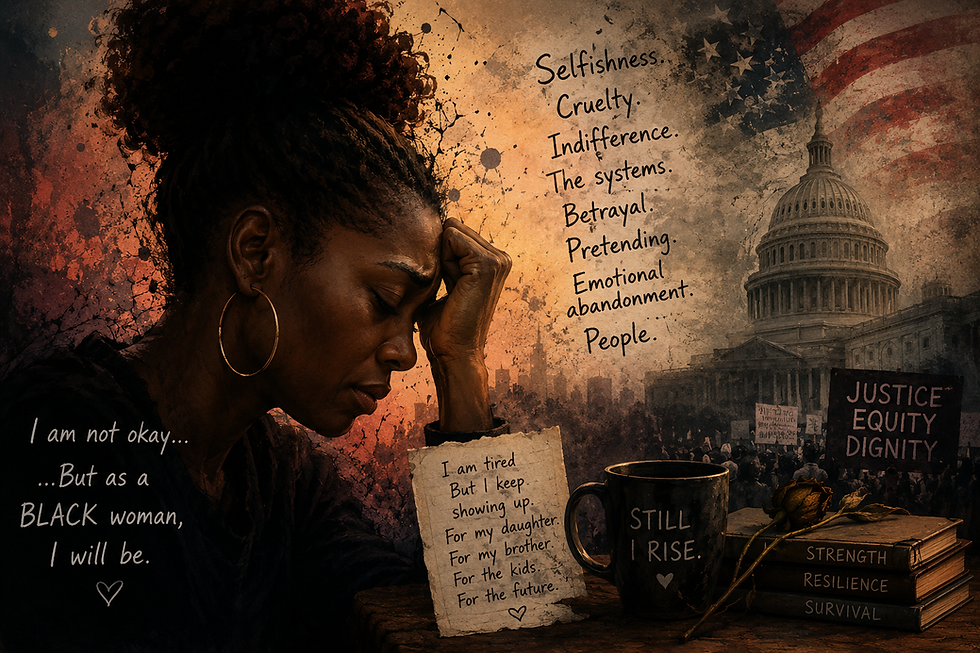
For those who have faced systemic inequities or trauma, storytelling can be a radical act of resistance and empowerment. It allows us to name injustices, honor our survival, and envision new possibilities for ourselves and our communities.
What are the 5 P's of storytelling?
Understanding the structure of storytelling can deepen our ability to use it as a healing tool. The 5 P's of storytelling provide a simple framework to guide us:
Purpose - Why are you telling this story? What do you hope to achieve? Healing, connection, education, or advocacy?
People - Who is involved in your story? This includes yourself and others who play a role in your narrative.
Place - Where does your story take place? The setting can influence the mood and meaning of your experience.
Plot - What happens in your story? This includes the sequence of events, conflicts, and resolutions.
Point of View - From whose perspective is the story told? Your unique voice shapes how the story is understood and felt.
By reflecting on these elements, you can craft stories that feel coherent and meaningful, even when the content is difficult. This structure also helps you stay grounded and intentional, which is important when working through trauma or emotional pain.
How to Begin Your Healing Journey Through Storytelling
Starting to tell your story can feel intimidating, especially if you’ve been silenced or dismissed in the past. But remember, there is no right or wrong way to begin. Your story is yours alone, and it deserves to be heard with kindness and respect.
Here are some gentle steps to help you get started:
Find a safe space - Choose a place where you feel comfortable and free from distractions. This could be a quiet room, a park bench, or even a virtual community.
Choose your medium - Storytelling doesn’t have to be written. You can speak, draw, record, or perform your story. Find what feels most natural to you.
Set small goals - Start with a sentence, a memory, or a feeling. You don’t have to tell everything at once.
Be patient with yourself - Healing is not linear. Some days will be easier than others, and that’s okay.
Seek support if needed - Sharing your story with a trusted friend, therapist, or support group can provide validation and connection.
Remember, the act of storytelling itself is a form of self-care. It honors your experience and creates space for growth.

The Power of Community in Storytelling
One of the most beautiful aspects of storytelling is its ability to build community. When we share our stories, we invite others to see us fully and to share their own truths. This exchange creates bonds of empathy and solidarity that can be life-changing.
For marginalized communities, storytelling can be a way to reclaim narratives that have been erased or distorted. It becomes a collective act of healing and resistance. In spaces where people feel safe to express themselves, stories become threads that weave individuals into a supportive tapestry.
If you’re looking to connect with others through storytelling, consider:
Joining or forming a writing group focused on healing and empowerment
Participating in storytelling workshops or open mic events
Sharing your story in online forums or social media communities dedicated to mental health and creativity
Collaborating on creative projects that amplify diverse voices
These connections remind us that we are not alone. Our stories matter, and together, they create a powerful chorus of resilience and hope.
Moving Forward with Compassion and Courage
Healing through storytelling is a journey, not a destination. It asks us to be gentle with ourselves while also embracing the courage to face our truths. It invites us to transform pain into purpose and isolation into connection.
If you are ready to begin or continue this journey, know that your story is a gift - to yourself and to the world. By sharing it, you not only heal but also inspire others to find their own voices. This ripple effect can create profound change, both personally and collectively.
I encourage you to hold space for your story with compassion. Write it, speak it, create it in whatever form feels right. And remember, healing is possible. Your voice is powerful. Your story is worth telling.
If you want to explore more about healing through storytelling, there are many resources and communities ready to welcome you with open arms.
Thank you for allowing me to share this space with you today. May your storytelling journey bring you peace, strength, and a renewed sense of belonging.


Comments