
The Importance of Mental Health Advocacy: Embracing Our Stories and Strength

Updated: Jan 11
When I first began to understand the power of speaking openly about mental health, it felt like stepping into a vast, uncharted forest. The trees were thick with stigma, the path uncertain, and the air heavy with silence. But as I took one step after another, I realized that this journey was not just mine alone. It was a collective walk toward healing, understanding, and empowerment. Mental health advocacy is the light that guides us through this forest, helping us find our voices and connect with others who share similar struggles.
In this space, I want to share with you why mental health advocacy matters deeply, how it can transform lives, and how each of us can become part of this vital movement. This is a conversation about hope, resilience, and the courage to be seen exactly as we are.
Why the Importance of Mental Health Advocacy Cannot Be Overstated
Mental health advocacy is more than just raising awareness. It is about creating a world where people feel safe to express their pain, seek help, and find community without fear of judgment or discrimination. For many, especially those from marginalized communities, the barriers to mental wellness are compounded by systemic inequities, cultural misunderstandings, and historical trauma.
Advocacy helps dismantle these barriers by:
Challenging stigma: When we speak openly about mental health, we chip away at the shame that keeps people silent.
Promoting access to care: Advocates push for policies and resources that make mental health services affordable and culturally sensitive.
Fostering empathy and education: Sharing stories and information helps others understand the realities of mental health struggles.
Empowering individuals: Advocacy encourages people to reclaim their narratives and become active participants in their healing.
I remember a time when I felt utterly alone in my pain. It was only when I found a community of advocates that I realized my experience was valid and shared by many. That realization was a turning point—it gave me strength and hope.
How Storytelling Fuels Healing and Connection
One of the most powerful tools in mental health advocacy is storytelling. When we share our experiences, we create bridges of understanding that transcend isolation. Stories remind us that we are not broken or weak—we are human, resilient, and worthy of compassion.
Writing and creative expression have been my lifelines. Through poetry, journaling, and art, I have found ways to process trauma and reclaim my voice. These creative acts are not just personal; they are acts of resistance against a world that often tries to silence pain.
If you are navigating your own mental health journey, consider these gentle steps to begin your story:
Start small: Write a sentence, a feeling, or a memory without judgment.
Create a safe space: Find a quiet corner or a trusted friend to share with.
Use metaphors: Sometimes describing emotions as colors, weather, or landscapes can make them easier to express.
Be patient: Healing is not linear. Your story will evolve as you do.
Through storytelling, we build empathy not only for others but for ourselves. It is a reminder that our voices matter and that healing is possible.
What is an example of a mental health advocate?
A mental health advocate is someone who uses their voice, experience, or platform to promote understanding, support, and change around mental health issues. This can take many forms, from grassroots activists to public figures who share their journeys openly.
For example, consider someone like Taraji P. Henson, who has spoken candidly about her struggles with depression and anxiety. By sharing her story, she has helped normalize mental health conversations, especially within communities of color where stigma can be particularly strong.
On a more personal level, a mental health advocate might be a peer supporter who listens without judgment, a writer who crafts honest narratives about trauma, or a community organizer who fights for better mental health resources in underserved neighborhoods.
Advocacy is not about perfection or expertise; it is about authenticity, courage, and the willingness to stand with others in their healing.

Practical Ways to Engage in Mental Health Advocacy
If you feel called to be part of this movement, there are many ways to contribute that honor your own pace and boundaries. Here are some actionable steps:
Educate yourself and others: Learn about mental health conditions, cultural factors, and systemic challenges. Share this knowledge with your community.
Listen actively: Sometimes the most powerful advocacy is simply being present and listening without judgment.
Use your creative voice: Write, paint, sing, or create in ways that express your truth and invite others to do the same.
Support organizations: Volunteer, donate, or amplify the work of groups dedicated to mental health equity.
Advocate for policy change: Engage with local leaders to push for better mental health services and protections.
Practice self-advocacy: Speak up for your own needs in healthcare, work, and relationships.
Remember, advocacy is a journey, not a destination. It is okay to take breaks, seek support, and honor your own healing process as you support others.
Embracing Hope and Resilience Through Advocacy
At its core, mental health advocacy is an act of hope. It is a declaration that despite pain, trauma, and systemic barriers, we can create spaces where healing is possible. It is a commitment to seeing each other fully and holding space for growth.
If you are reading this and feeling overwhelmed by your own struggles, know that your story matters. Your voice is powerful. By engaging in advocacy—whether quietly or boldly—you are part of a movement that transforms lives.
Together, we can build a world where mental health is not hidden in shadows but celebrated as a vital part of our humanity. Let us walk this path with compassion, courage, and creativity, knowing that every step forward is a victory.
The Transformative Power of Writing
Writing has the ability to heal. It allows us to articulate our thoughts and feelings, making sense of the chaos within. When I write, I often find clarity. It is as if the words are a map guiding me through my emotions.
Consider keeping a journal. This can be a safe space to express your innermost thoughts. Write freely, without concern for grammar or structure. Let your emotions flow onto the page. You may be surprised at the insights that emerge.
Creative Expression as a Healing Tool
Art, music, and dance can also serve as powerful forms of expression. They allow us to communicate what words sometimes cannot. Creating something beautiful can be a form of therapy. It can help us process our experiences and connect with others on a deeper level.
Engaging in creative activities can also foster a sense of community. When we share our art, we invite others into our world. This can lead to meaningful conversations and connections that enrich our lives.
Building a Supportive Community
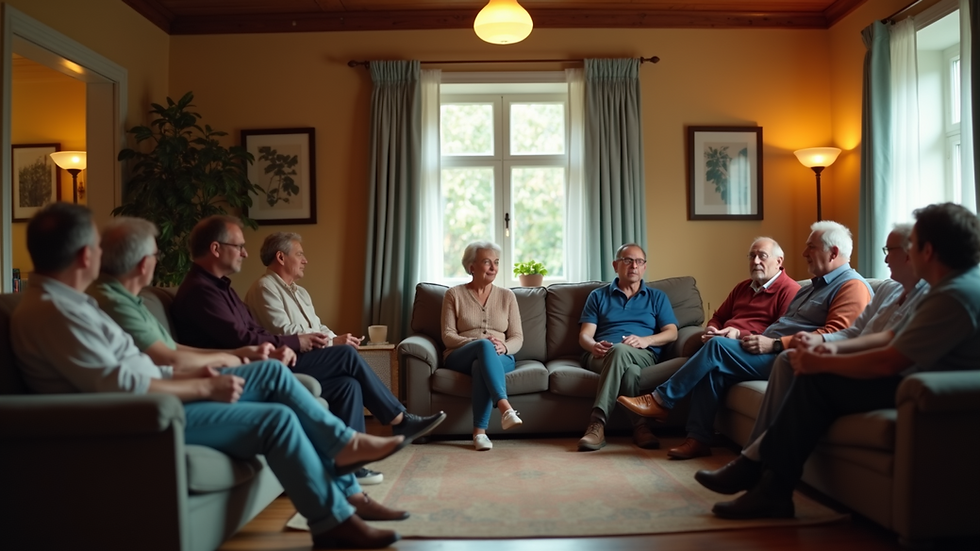
Community is essential in the journey of mental health advocacy. Surrounding ourselves with supportive individuals can make a significant difference. Seek out groups that resonate with your experiences. Whether online or in-person, connecting with others can provide comfort and validation.
Consider starting or joining a support group. Sharing your story and hearing others can create a sense of belonging. It reminds us that we are not alone in our struggles.
The Role of Compassion in Advocacy
Compassion is at the heart of advocacy. It allows us to approach others with understanding and empathy. When we practice compassion, we create a safe space for healing. This is especially important for those who have faced trauma or systemic challenges.
As we advocate for mental health, let us remember to be gentle with ourselves and others. Everyone is on their own journey. By fostering compassion, we can uplift one another and create a more inclusive environment.
Moving Forward Together
As we continue this journey of mental health advocacy, let us hold onto hope. Each small step we take can lead to significant change. By sharing our stories and supporting one another, we can create a brighter future for all.
Thank you for being here, for your bravery, and for your willingness to explore this journey. May you find strength in your story and peace in your expression. Together, we can make a difference.
---wix---


Comments