
The Cultural Significance of 'Lẹwa Ubunifu'

When I first encountered the phrase lẹwa ubunifu, I was struck by its gentle power. It felt like a quiet invitation to explore creativity not just as an art form, but as a lifeline—a way to heal, to express, and to reclaim parts of ourselves that trauma and systemic challenges often try to silence. This phrase, rooted deeply in cultural identity and creative expression, holds a special place in the conversation about mental health, especially within communities that have historically been marginalized or overlooked.
In this space, I want to walk with you through what lẹwa ubunifu means beyond words. I want to share how it connects to cultural mental health terms and why embracing this concept can be a transformative act of self-love and resilience.
Understanding Cultural Mental Health Terms: A Pathway to Healing
Mental health is often discussed in clinical or universal terms, but the reality is that culture shapes how we experience, express, and cope with emotional pain. Cultural mental health terms are more than just vocabulary—they are keys to unlocking understanding within specific communities. They honor the unique ways people process trauma, grief, and joy.
For example, in many BIPOC communities, mental health struggles are intertwined with historical trauma, systemic inequities, and cultural expectations. Words and phrases that emerge from these experiences carry layers of meaning that clinical terms might miss. They create a language that feels safe and validating.
Lẹwa ubunifu is one such term. It embodies the beauty of creativity as a healing force. It reminds us that creative expression is not a luxury but a vital tool for mental and emotional well-being. When we engage with our creativity, we are not just making art—we are telling our stories, reclaiming our voices, and nurturing our spirits.

The Role of Creativity in Mental Health: More Than Just Art
Creativity is often seen as a hobby or a talent, but it is so much more. It is a form of communication that transcends words, especially when words fail us. For those who have faced trauma or systemic barriers, creativity can be a sanctuary—a place where pain is transformed into something meaningful.
I remember a time when writing was my refuge. The act of putting pen to paper allowed me to untangle emotions that felt overwhelming. It was not about perfection or judgment; it was about being honest with myself. This process helped me feel seen and understood, even when others could not fully grasp my experience.
In communities where mental health stigma persists, creative outlets offer a discreet and empowering way to process feelings. Whether through poetry, storytelling, music, or visual arts, creativity invites us to explore our inner worlds safely. It also builds bridges between individuals, fostering connection and empathy.
Lẹwa ubunifu captures this essence beautifully. It is a celebration of the creative spirit as a source of strength and healing. When we embrace this concept, we honor our cultural roots and affirm our right to heal on our own terms.
Embracing "Lẹwa Ubunifu" as a Tool for Self-Expression and Empowerment
The journey toward healing is deeply personal, but it is also communal. Lẹwa ubunifu encourages us to reclaim our narratives and share them with the world. This act of self-expression is radical because it challenges the silence imposed by trauma and marginalization.
Here are some ways to incorporate lẹwa ubunifu into your healing journey:
Start Small: Begin with simple creative acts like journaling, doodling, or free writing. These practices create a safe space to explore your emotions without pressure.
Create Rituals: Dedicate time regularly to your creative practice. Rituals anchor us and provide consistency, which is crucial for mental health.
Share Your Work: When you feel ready, share your creations with trusted friends, support groups, or online communities. Connection amplifies healing.
Honor Your Culture: Infuse your creative work with cultural symbols, stories, or languages that resonate with you. This deepens your sense of identity and belonging.
Seek Support: Pair your creative practice with therapy or peer support when possible. Creativity complements professional care beautifully.
By weaving lẹwa ubunifu into your life, you create a powerful feedback loop of healing and empowerment. You remind yourself that your voice matters and that your story is worthy of being told.

Navigating Trauma and Systemic Challenges Through Creative Resilience
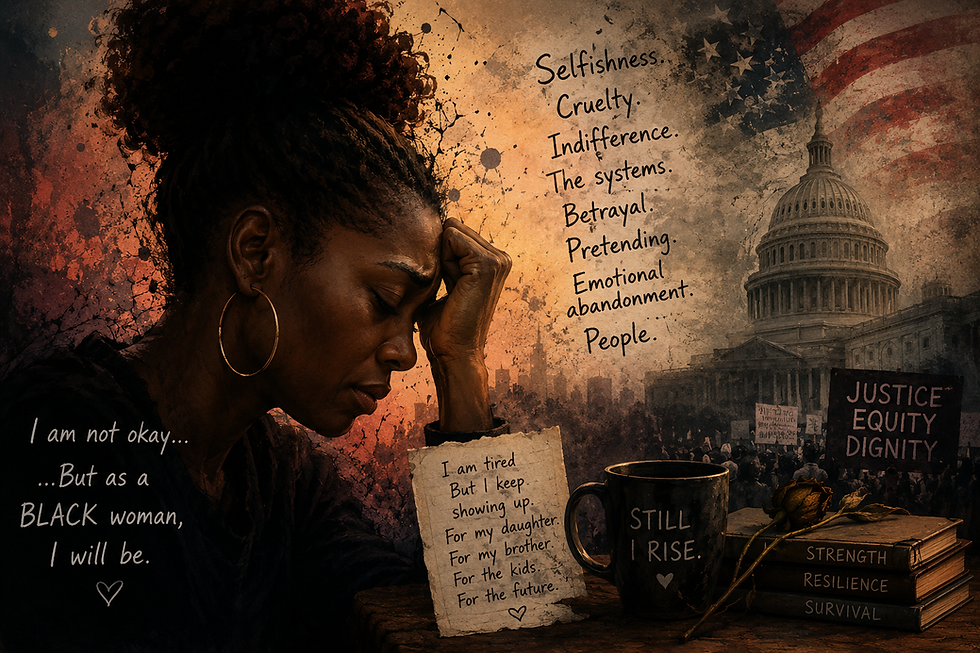
Trauma and systemic inequities can leave deep wounds that affect every part of our lives. The weight of these experiences often feels isolating. But creativity offers a way to reclaim agency and build resilience.
When I think about resilience, I don’t imagine a stiff, unbreakable shield. Instead, I see a flexible, living thing—like a tree bending in the wind but rooted deeply in the earth. Lẹwa ubunifu is that root system, grounding us in culture and creativity while allowing us to sway and adapt.
Creative expression helps us:
Process Complex Emotions: Art can give shape to feelings that are hard to name.
Challenge Internalized Stigma: Creating affirming narratives counters negative self-beliefs.
Build Community: Sharing creative work fosters solidarity and mutual support.
Reclaim Power: Storytelling and art-making are acts of resistance against erasure.
For many, engaging with lẹwa ubunifu is a way to rewrite the scripts handed down by trauma and oppression. It is a declaration that healing is possible and that our cultural identities are sources of strength, not shame.
Cultivating a Safe and Inclusive Space for Healing Through Creativity
Creating a safe space for healing is essential. Whether you are facilitating a workshop, joining a support group, or practicing alone, the environment must honor vulnerability and authenticity.
Here are some principles to keep in mind:
Compassion First: Approach yourself and others with kindness. Healing is not linear.
Non-Judgmental Listening: Allow stories and expressions to be shared without interruption or critique.
Cultural Humility: Recognize and respect diverse cultural backgrounds and experiences.
Encourage Authenticity: Invite honest expression, even when it feels messy or uncomfortable.
Provide Resources: Offer access to mental health support and creative tools.
By embedding these values, spaces inspired by lẹwa ubunifu become sanctuaries where people feel seen, heard, and empowered to explore their emotions safely.
Healing through creativity is a journey that honors both struggle and hope. Lẹwa ubunifu is more than a phrase—it is a living practice that invites us to embrace our full humanity. It reminds us that within our stories, our cultures, and our creative acts lies the power to transform pain into beauty, isolation into connection, and silence into song.
If you are ready to explore this path, I encourage you to visit lẹwa ubunifu and discover the resources, stories, and community waiting to support you. Your voice matters, and your healing is a testament to the strength of your spirit.


We truly appreciate your kind words and positive feedback. Your support means a great deal to us and motivates our team to continue providing helpful and engaging content every day. best world cup kits 2026 ranked