
Navigating New Beginnings: Building Personal Boundaries and Nurturing Mental Health in 2026

As 2025 draws to a close, many of us find ourselves reflecting on the past year’s challenges and growth. For me, this reflection brings a renewed commitment to creating better personal boundaries, making new friends, and finding safe spaces where I can truly be myself. Alongside these goals, I want to focus on staying positive, inspiring others, and taking better care of my mental health. These intentions are not just resolutions but essential steps toward a healthier, more fulfilling life in 2026.

Creating safe spaces at home supports mental health and personal growth.
Understanding Personal Boundaries and Why They Matter
Personal boundaries are the invisible lines that define where one person ends and another begins. They protect our emotional well-being and help us maintain healthy relationships. Without clear boundaries, we risk feeling overwhelmed, drained, or taken for granted.
In 2025, I noticed how often I said yes to things that didn’t align with my values or needs. This year, I want to practice saying no without guilt. Setting boundaries means:
Knowing your limits and communicating them clearly
Respecting your own time and energy
Recognizing when a relationship or situation is harmful or draining
For example, if a friend repeatedly cancels plans last minute, it’s okay to express how that affects you and decide how much effort you want to invest. Boundaries are not walls but bridges to healthier connections.
Making New Friends and Connections with Intention
Building new friendships can feel daunting, especially if past experiences left us cautious. But approaching new connections with intention can make the process more rewarding.
Here are some ways I plan to nurture new friendships in 2026:
Join groups or activities that align with my interests. Whether it’s a book club, a fitness class, or a creative workshop, shared interests create natural opportunities to connect.
Be open but discerning. It’s important to be friendly and approachable while also paying attention to how others treat me.
Invest time in meaningful conversations. Quality over quantity matters when building trust and understanding.
For instance, I recently joined a local hiking group. The shared experience of exploring nature has helped me meet people who value wellness and positivity, which aligns with my goals.
Finding Safe Spaces to Entertain and Recharge
Safe spaces are environments where we feel accepted, relaxed, and free from judgment. These spaces are crucial for mental health because they allow us to recharge and be authentic.
Creating or finding safe spaces can look like:
A quiet corner at home dedicated to reading or meditation
A supportive community group where vulnerability is welcomed
Outdoor spots that bring peace, like parks or gardens
In 2025, I realized how much time I spent in environments that left me anxious or overstimulated. This year, I’m committed to prioritizing places and people that nurture my well-being.
Cultivating Positivity and Inspiration Daily
Positivity doesn’t mean ignoring difficulties but choosing to focus on growth and hope. Inspiration fuels motivation and helps us overcome setbacks.
To stay positive and inspiring, I plan to:
Practice gratitude by noting three things I’m thankful for each day
Surround myself with uplifting people and content
Share my own experiences honestly to encourage others
For example, I started journaling moments of kindness I witness or receive. This simple habit shifts my mindset toward appreciation and connection.
Taking Better Care of Mental Health
Mental health is the foundation for all other goals. Without it, setting boundaries, making friends, or staying positive becomes much harder.
Here are practical steps I’m taking to support my mental health in 2026:
Regular self-check-ins. Asking myself how I feel and what I need helps me respond before stress builds up.
Seeking professional support when needed. Therapy or counseling is a valuable resource, not a last resort.
Balancing work, rest, and play. Scheduling downtime is as important as meeting deadlines or social commitments.
For example, I’ve committed to a weekly digital detox day to reduce screen time and reconnect with offline activities that bring me joy.
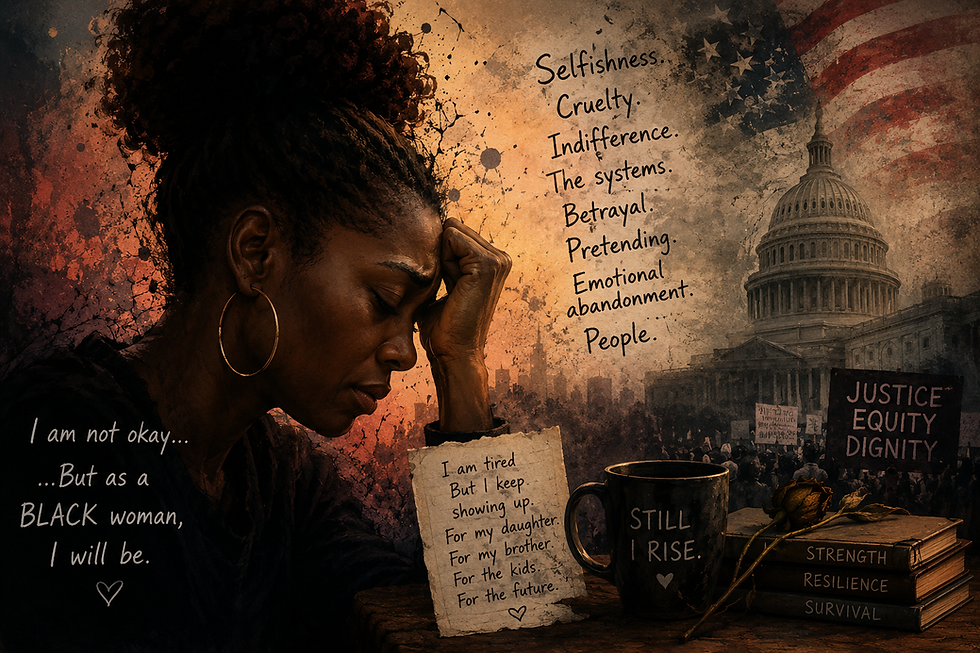
Navigating Life as a Black Individual in a Predominantly White Area
Living in a predominantly white area can present unique challenges for Black individuals, especially within a systemically racist framework. Here are some strategies and considerations for navigating this environment:
1. Building a Support Network
Connect with Local Organizations: Seek out community organizations that focus on racial equity and social justice.
Find Allies: Build relationships with individuals who understand and support your experiences, regardless of their racial background.
Engage with Online Communities: Utilize social media and online forums to connect with others who share similar experiences and challenges.
2. Educating Yourself and Others
Stay Informed: Educate yourself about systemic racism, local history, and current events affecting the Black community.
Share Knowledge: Engage in conversations with peers to raise awareness and educate others about the experiences of Black individuals in predominantly white spaces.
3. Practicing Self-Care
Prioritize Your Mental Health: Acknowledge the emotional toll of navigating a racially charged environment and seek professional support if needed.
Engage in Cultural Activities: Participate in cultural events or activities that celebrate Black heritage and foster a sense of belonging.
4. Advocating for Change
Get Involved in Local Initiatives: Participate in community meetings or advocacy groups focused on racial justice and inclusion.
Speak Up: Use your voice to address instances of racism or discrimination when they occur, whether in personal interactions or broader community contexts.
5. Navigating Daily Interactions
Be Aware of Microaggressions: Recognize subtle forms of racism and learn strategies to respond effectively.
Set Boundaries: Protect your emotional well-being by establishing boundaries with individuals who exhibit racist behaviors or attitudes.
6. Seeking Representation
Find Role Models: Look for mentors or leaders within your community who can provide guidance and support.
Encourage Diversity: Advocate for diversity in schools, workplaces, and community organizations to foster a more inclusive environment.
By employing these strategies, Black individuals can navigate the complexities of living in a predominantly white area while working towards a more equitable and inclusive community.


Comments