
Fostering Community Resilience and Empowerment

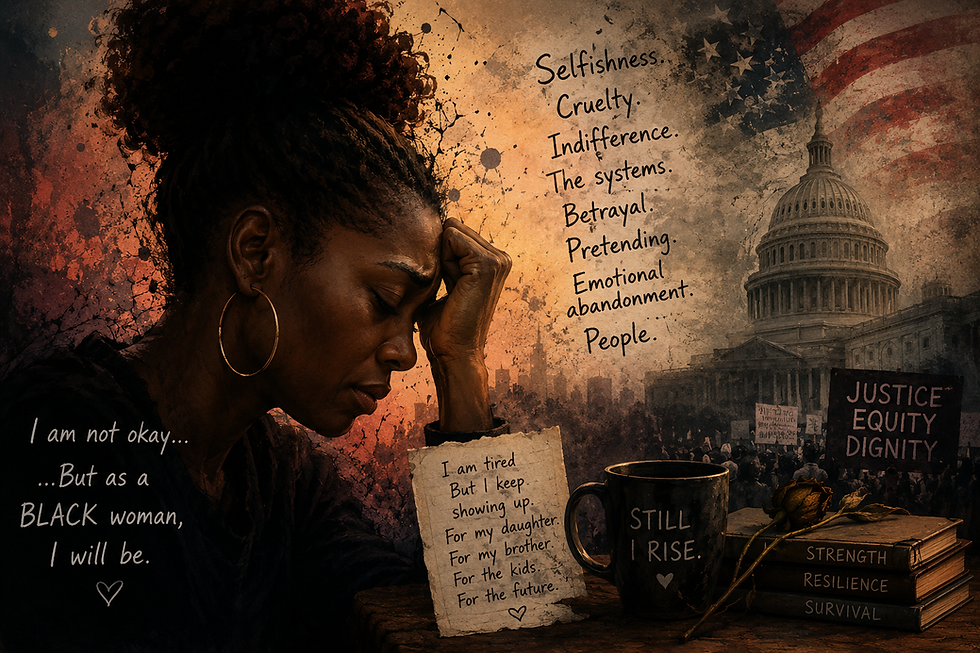
When I think about the power of community, I see more than just a group of people living near each other. I see a living, breathing network of hearts and stories intertwined, each person carrying their own wounds and hopes. In this space, healing begins—not in isolation, but through connection, understanding, and shared strength. This is the essence of building resilient and empowered communities, where every voice matters and every story is honored.
The path to resilience is not linear. It’s messy, raw, and deeply human. But it is also filled with moments of grace, courage, and transformation. Today, I want to walk with you through what it means to foster such communities, especially for those who have faced trauma, systemic barriers, or emotional pain. Together, we’ll explore how creativity, empathy, and collective action can light the way forward.
The Heart of Resilient and Empowered Communities
Resilience is often misunderstood as simply “bouncing back” from hardship. But in the context of community, it’s so much richer. It’s about bouncing forward—growing stronger, wiser, and more connected through shared experiences. Empowerment, on the other hand, is the fuel that keeps this growth alive. It’s the process of reclaiming agency, voice, and dignity, especially when those have been stripped away by systemic inequities or personal trauma.
In resilient and empowered communities, people don’t just survive—they thrive. They create spaces where vulnerability is met with compassion, where stories of pain are met with listening ears, and where creativity becomes a tool for healing and self-expression. I’ve seen this firsthand in workshops where writing becomes a lifeline, a way to untangle emotions and find clarity amid chaos.
How can we nurture these qualities? Here are some practical ways:
Create safe spaces: Whether physical or virtual, these are places where people feel seen and heard without judgment.
Encourage storytelling: Sharing personal narratives fosters empathy and breaks down isolation.
Promote creative expression: Art, writing, music, and movement can unlock emotions that words alone cannot reach.
Build networks of support: Connection to others who understand your journey is a powerful source of strength.
Advocate for systemic change: Empowerment includes challenging the structures that perpetuate harm and inequality.

Cultivating Resilience and Empowerment Through Creativity
One of the most profound ways I’ve witnessed resilience blossom is through creative expression. When words fail or feel too heavy, creativity offers a different language—a way to process pain, celebrate identity, and imagine new possibilities. Writing, in particular, has been a sacred tool for many who have walked through trauma and systemic challenges.
Imagine a garden where each flower represents a story, a feeling, or a dream. Some flowers are fragile, others bold and vibrant. Together, they create a landscape of healing and hope. This garden is what creative communities can become—a place where every voice adds color and depth.
Here are some ways to engage creativity for empowerment:
Journaling prompts that invite reflection: Questions like “What does strength look like to you?” or “Describe a moment when you felt truly seen” can open doors to self-discovery.
Group storytelling sessions: Sharing stories aloud builds trust and reminds us we are not alone.
Artistic collaborations: Painting, collage, or music projects that bring people together to co-create.
Workshops focused on healing through art: Facilitated spaces where trauma can be explored gently and safely.
When we create together, we also reclaim power. We rewrite narratives that have been imposed on us and affirm our own truths.

What is the meaning of community resilience?
Community resilience is the collective ability of a group to withstand, adapt to, and recover from adversity. It’s not just about individual toughness but about how people come together to support one another, share resources, and create solutions. This resilience is deeply rooted in relationships, culture, and shared values.
For communities facing systemic oppression, resilience often means navigating barriers while holding onto hope and identity. It’s about finding strength in cultural traditions, mutual aid, and collective wisdom. It’s also about recognizing the impact of trauma—not as a weakness, but as a reality that requires care and intentional healing.
In practical terms, community resilience involves:
Mutual support systems: Neighbors helping neighbors with childcare, food, or emotional support.
Access to resources: Ensuring everyone has what they need to thrive, from healthcare to education.
Cultural preservation: Honoring languages, rituals, and histories that ground people in their identity.
Adaptive leadership: Leaders who listen, learn, and respond to the community’s evolving needs.
When these elements come together, communities don’t just survive crises—they transform through them.

The Role of Compassion and Empathy in Healing
Healing is not a solo journey. It is woven through the threads of compassion and empathy that connect us. When we approach each other with kindness and understanding, we create a foundation where vulnerability is safe and growth is possible.
I remember a moment in a writing circle where a participant shared a deeply personal story of loss and systemic injustice. The room held space without rushing to fix or judge. Instead, there was a collective breath, a shared heartbeat of empathy. That moment was transformative—not because the pain disappeared, but because it was witnessed and honored.
To foster this kind of environment, consider these approaches:
Active listening: Give your full attention without interrupting or offering unsolicited advice.
Validate feelings: Acknowledge emotions as real and important, even if you don’t fully understand them.
Practice patience: Healing unfolds at its own pace; rushing can cause harm.
Encourage self-compassion: Remind yourself and others that it’s okay to struggle and to ask for help.
Compassion is a radical act, especially in communities that have been marginalized or silenced. It opens the door to authentic connection and collective healing.
Taking Action: Steps Toward Empowered Community Building
Empowerment is not a destination but a continuous process. It requires intentional action, reflection, and collaboration. If you’re ready to take steps toward fostering resilient and empowered communities, here are some practical ideas to start with:
Host or join creative workshops: Use writing, art, or music as tools for expression and connection.
Build peer support groups: Create spaces where people can share experiences and resources.
Engage in advocacy: Work together to address systemic issues affecting your community.
Celebrate cultural heritage: Organize events that honor traditions and stories.
Practice self-care and collective care: Recognize that caring for yourself and others fuels resilience.
Remember, every small action contributes to a larger movement of healing and empowerment. Your voice and presence matter deeply.
If you want to explore more about how to nurture community resilience and empowerment, I invite you to visit Lewa Ubunifu’s platform, where creativity meets advocacy in a safe, inclusive space.
Embracing the Journey Together
Building resilient and empowered communities is a journey filled with challenges and triumphs. It asks us to be brave enough to face pain, gentle enough to offer kindness, and bold enough to imagine new futures. It invites us to hold space for ourselves and each other, weaving stories of struggle and hope into a tapestry of collective strength.
If you are walking this path, know that you are not alone. Your experiences, your voice, and your creativity are vital threads in the fabric of healing. Together, we can create communities where everyone feels seen, supported, and empowered to grow.
Let’s keep moving forward - with courage, compassion, and creativity lighting the way.


Comments