
Exploring the Essence of 'Lẹwa Ubunifu'
- lewaubunifu
- Sep 26, 2025
- 4 min read

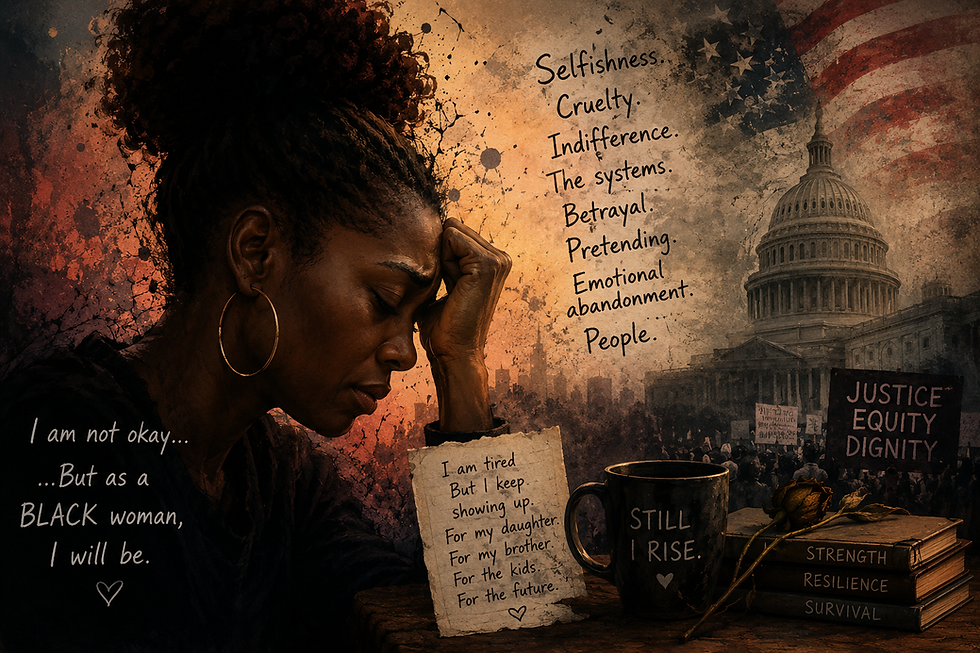
When I first encountered the phrase lẹwa ubunifu, I was drawn not only to its lyrical sound but to the deep well of meaning it holds. It speaks to a journey - one of creativity, healing, and reclaiming voice amid the noise of trauma and systemic challenges. This journey is not linear or simple. It is layered with pain, resilience, and the quiet power of self-expression. Today, I want to walk with you through what lẹwa ubunifu truly embodies, especially as it relates to cultural mental health insights that often go unspoken.
Understanding the Power of Creative Healing
Healing is not a one-size-fits-all process. For many, especially those from marginalized communities, traditional mental health approaches can feel alienating or insufficient. Creativity offers a different path - one that invites us to explore our emotions through writing, art, and storytelling. It’s a way to give shape to what feels invisible or overwhelming.
I remember a time when words failed me. The weight of unspoken trauma was heavy, and I felt trapped inside my own mind. But when I picked up a pen, something shifted. The act of writing became a lifeline, a way to untangle the knots of pain and confusion. This is the essence of creative healing - it doesn’t erase the struggle but transforms it into something tangible, something that can be understood and shared.
Practical tip: Start small. Dedicate five minutes a day to free writing or sketching your feelings. Don’t worry about form or grammar. Let your creativity be messy and real.

Cultural Mental Health Insights: Embracing Our Stories
Mental health is deeply intertwined with culture. Our backgrounds, traditions, and community narratives shape how we experience and express emotional pain. For many, cultural stigma around mental health can create barriers to seeking help or even acknowledging suffering.
In my own experience, I’ve seen how storytelling within my community serves as a bridge between silence and understanding. Sharing stories of struggle and survival honors our ancestors and creates space for new narratives of hope. It’s a reminder that we are not alone in our pain or our healing.
When we embrace cultural mental health insights, we recognize that healing must be culturally responsive. This means honoring language, customs, and collective experiences while providing tools that resonate with our unique realities.
Actionable advice: Connect with cultural groups or creative circles that reflect your identity. Sharing your story in a safe space can be a powerful step toward healing.

The Role of Vulnerability in Creative Expression
Vulnerability is often misunderstood as weakness, but in the context of lẹwa ubunifu, it is a radical act of courage. To be vulnerable is to show up fully, with all the cracks and scars that make us human. It is through vulnerability that we find connection and authenticity.
I recall a workshop where participants hesitated to share their writing, fearing judgment or rejection. But as one person opened up, others followed. The room transformed into a sanctuary of empathy and understanding. Vulnerability became the thread weaving us together.
Creative expression invites us to be vulnerable in ways that feel safe and empowering. It allows us to explore difficult emotions without shame and to reclaim our stories on our own terms.
Suggestion: Practice sharing your creative work with a trusted friend or group. Notice how vulnerability can deepen your sense of belonging.

Navigating Trauma Through Art and Storytelling
Trauma leaves invisible marks that can be hard to articulate. Yet, art and storytelling provide a language beyond words. They allow us to externalize pain and begin the process of making sense of it.
When I first started using storytelling as a tool for trauma, I was surprised by how much control it gave me. I could decide what to reveal, how to frame my experience, and what meaning to assign to it. This sense of agency is crucial for healing.
For those navigating trauma, creative projects can serve as anchors - grounding us in the present while honoring the past. Whether it’s writing a poem, painting a scene, or crafting a narrative, these acts become declarations of survival and hope.
Helpful exercise: Create a visual or written timeline of your healing journey. Highlight moments of strength and growth alongside challenges.
Cultivating Resilience and Reclaiming Voice
Resilience is not about bouncing back quickly or pretending everything is fine. It’s about enduring, adapting, and growing despite adversity. Through lẹwa ubunifu, resilience is cultivated by reclaiming our voices and telling our stories with honesty and pride.
I’ve witnessed how creative expression can shift the narrative from victimhood to empowerment. When we share our truths, we disrupt cycles of silence and stigma. We inspire others to do the same.
This process is deeply personal but also profoundly communal. It builds bridges across experiences and fosters a sense of belonging that is vital for mental well-being.
Practical step: Use your creative work to advocate for yourself and your community. Whether through social media, local events, or personal conversations, your voice matters.
Exploring lẹwa ubunifu is more than an artistic endeavor - it is a path toward healing, empowerment, and connection. It invites us to embrace our full humanity, with all its complexities and beauty. If you are on this journey, know that your story is valid, your voice is powerful, and your healing is possible. Keep creating, keep sharing, and keep believing in the transformative power of your own expression.


Comments